
The Winter Roast Guide: Lamb, Goat, and Beef Times and Temperatures
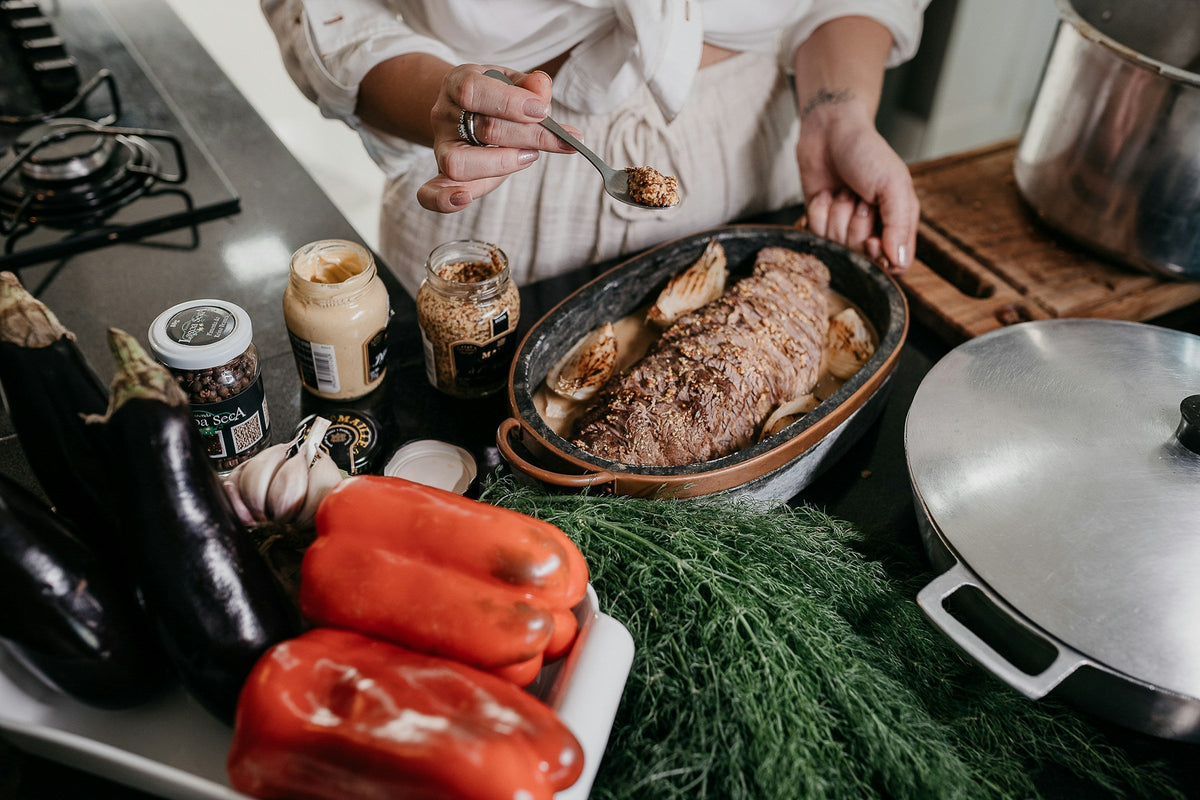
When the temperature drops, the oven becomes the heart of the kitchen. A roast is the easiest way to feed a family well through the winter: put in a little prep, let the heat do the work, and end up with a centerpiece meal plus leftovers for the days ahead.
The trick is knowing which roast to choose and how to cook it. Some cuts want a hot oven and a rosy center. Others want hours of low, covered heat until they fall apart. This guide breaks down the best winter roasts across lamb, goat, and beef, with a chart you can keep handy all season.
First, Know Which Kind of Roast You Have
Almost every roast falls into one of two groups.
Tender roasts come from muscles that do little work, such as the rack, loin, and the more tender parts of the leg. They have less connective tissue, so they are best cooked with dry heat to a specific internal temperature, usually medium-rare to medium. Overcook them and they get dry.
Hardworking roasts come from the shoulder, neck, shank, brisket, and chuck. They are full of connective tissue and flavor. They need low heat, moisture, and time, often several hours covered, until that tissue melts and the meat turns fork-tender. You cook these to tenderness, not to a rosy center.
Get that one distinction right and you are most of the way to a great roast.
Winter Roast Cheat Sheet
Times are estimates. Size, bone, starting temperature, and your oven all affect cooking time, so always confirm with a thermometer or a fork test.
| Cut | Method | Oven | Approx. Time | Done When |
|---|---|---|---|---|
| LAMB | ||||
| Rack of lamb | Sear, then roast uncovered | 425°F | 15–20 min | Pull at 125–135°F |
| Boneless lamb loin roast | Sear, then roast uncovered | 400°F | 25–35 min | Pull at 125–135°F |
| Boneless leg of lamb | Roast uncovered | 350°F | 1–1.5 hr | Pull at 130–135°F |
| Bone-in leg of lamb | Roast uncovered (sliceable) or covered (fall-apart) | 325°F | 1.75–2.5 hr sliceable; 4–5 hr fall-apart | 130–135°F to slice; fork-tender to pull |
| Lamb shoulder or boneless shoulder roast | Slow roast, covered | 300°F | 4–5 hr | Fork-tender, pulls apart |
| Whole lamb neck | Braise or covered roast | 300°F | 3–4 hr | Meat slides off the bone |
| GOAT | ||||
| Frenched goat rack | Sear, then roast uncovered | 425°F | 15–20 min | Pull at 130–140°F |
| Bone-in goat leg | Marinate, slow roast covered, then brown | 325°F | 3–4 hr | Fork-tender |
| Whole goat shoulder | Slow roast, covered | 300°F | 4–5 hr | Fork-tender, pulls apart |
| Whole goat neck | Braise or covered roast | 300°F | 3–4 hr | Meat slides off the bone |
| BEEF | ||||
| Top round | Low roast, then sear | 250°F | 1.5–2.5 hr | Pull at 120–125°F, slice thin |
| Bottom round | Braise covered, or low roast and slice paper-thin | 300°F braise / 250°F roast | 3–4 hr braise; 1.5–2.5 hr roast | Fork-tender, or 120–125°F |
| Chuck roast | Pot roast, covered | 300°F | 3–3.5 hr | Fork-tender |
| Brisket | Oven roast, wrapped after browning | 275°F | About 1–1.25 hr per lb | Probe slides in easily, around 200–203°F |
| Beef shank (Thor's Hammer) | Braise, covered | 275–300°F | 5–7 hr | Meat falls from the bone |
Temperatures for tender roasts are pull temperatures. The meat will rise about 5°F while resting. The USDA recommends cooking whole cuts of beef and lamb to 145°F with a 3-minute rest, so cook to the doneness your family is comfortable with.
Lamb: Rich, Tender, and Made for Winter
Lamb has more natural fat than goat, which makes it forgiving and deeply flavorful in the oven. For a quick weeknight showstopper, a rack or loin roast cooks in well under an hour. For a slow Sunday, a bone-in shoulder roasted low for hours becomes rich and pull-apart tender. Try our herb-crusted rack of lamb or the classic slow-roasted leg of lamb with garlic and rosemary.
Goat: Lean, Bold, and Worth the Wait
Goat is leaner than lamb and beef, so most goat roasts do best covered, with a bit of liquid, and given plenty of time. A yogurt or citrus marinade the night before helps tenderize the meat and carry flavor deep inside. The payoff is meat that pulls cleanly from the bone with a savory depth that stands up to warm spices. Our spice-rubbed roast goat leg is a great place to start.
Beef: From Sunday Pot Roast to Roast Beef Sandwiches
Beef gives you the widest range of roasting options. Chuck is the most forgiving and makes the classic Sunday pot roast. Top and bottom round are lean and economical, perfect for thin-sliced roast beef if you treat them gently. Read our guide to top round vs. bottom round for the details. Brisket and beef shank are weekend projects that reward patience with incredible flavor.
Butcher Tips for Every Roast
Salt early. Seasoning a roast with salt the night before, uncovered in the refrigerator, seasons the meat more deeply and helps the outside brown.
Take the chill off. Let roasts sit at room temperature for 45 minutes to an hour before cooking so they cook more evenly.
Invest in a thermometer. A good probe thermometer is the single best tool for consistent roasts. It takes the guesswork out of every cut in the chart above.
Always rest. Give small roasts 10 minutes and large roasts 15 to 30 minutes before carving so the juices stay in the meat.
Thaw safely. Large frozen roasts can take 2 to 4 days to thaw in the refrigerator. Plan ahead, and see our tips on storing and thawing frozen meat.
Stock Up Before the Snow
Winter is the perfect time to fill the freezer with a few roasts so a warm, slow-cooked dinner is always within reach. Browse our lamb, goat, and beef collections, or reach out if you need a specific cut or size for a holiday gathering. We are always happy to help you pick the right roast for your table.
All of our meat is domestically raised by local American family farmers, never aged, USDA inspected, and Zabiha Halal.