
Beef Tallow vs. Beef Suet: What Is the Difference and How Is Each Used?
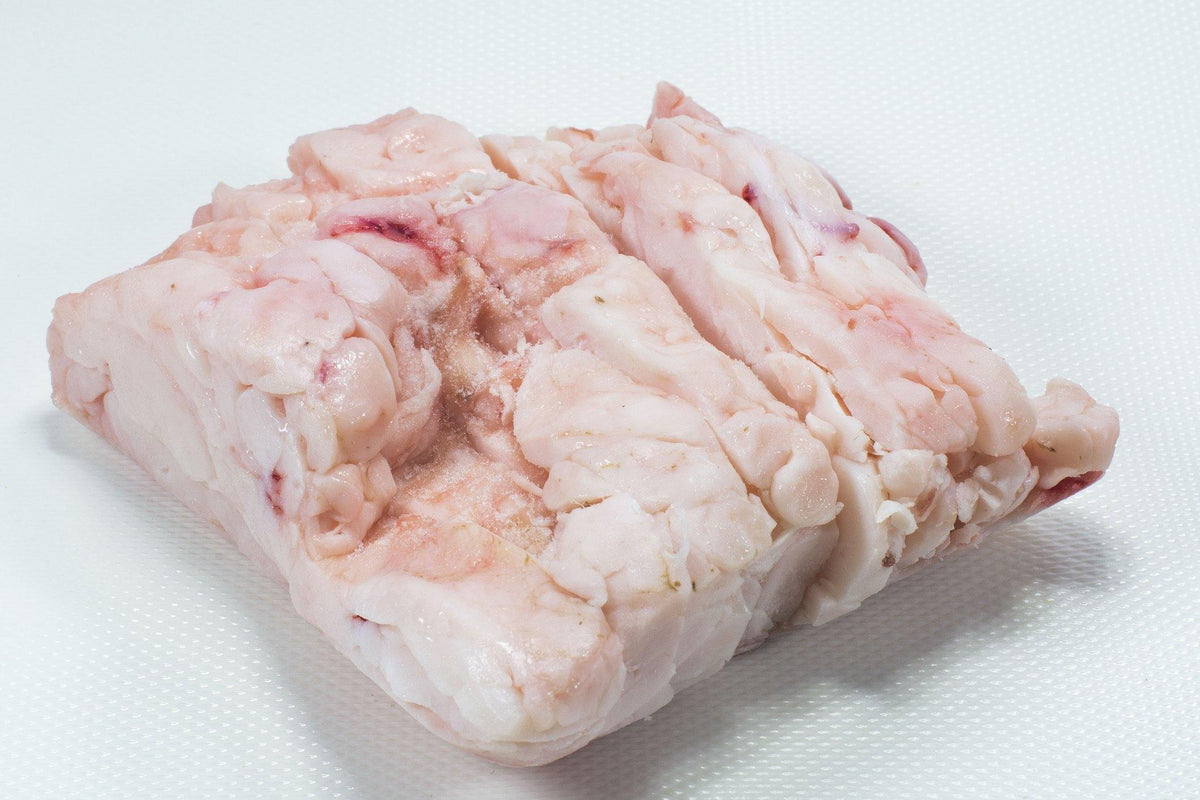
The easiest way to understand beef tallow vs. beef suet is to separate the raw ingredient from the rendered cooking fat. At BillyDoe Meats, we sell beef suet as the raw, hard fat found around the loins and kidneys. Tallow is beef fat that has been rendered, meaning it has been slowly heated so the usable fat can be separated from water, tissue, and other solids. Suet can become tallow after rendering, but the two words do not describe the same stage of the product. That distinction matters when you are following a traditional recipe, rendering fat at home, or choosing a ready-to-use cooking fat.
Beef Suet Is a Specific Raw Fat, While Tallow Is Rendered Beef Fat
Suet is not simply any piece of fat trimmed from a steak or roast. Our beef suet product is the firm fat located around the kidneys and loins. It has a characteristically hard texture when raw and a relatively high melting and solidifying point compared with rendered tallow.
Suet starts as a butcher cut from a specific location
When a recipe calls for suet, it is usually asking for that firm raw fat rather than a spoonful of already rendered tallow. Traditional puddings, pastries, and sweet mincemeat are examples of preparations in which the physical form of suet matters.
The structure of suet is part of the recipe
When chopped or grated into a dough or filling, pieces of suet melt as the food cooks. That can create pockets of richness and affect the final texture differently from simply mixing in liquid fat from the start. If a recipe specifically says “suet,” replacing it with tallow may change how the mixture behaves.
Tallow is what you get after rendering beef fat
Tallow is the purified fat that remains after beef fat has been gently melted and strained. We use beef tallow across cooking and BillyDoe Essentials products. Once rendered and cooled, tallow becomes a smooth solid or semi-solid fat that melts readily when heated.
How Do Beef Tallow and Suet Differ in the Kitchen?
The key practical difference is convenience and function. Tallow is already rendered, so you can put it directly into a skillet, roasting pan, fryer, or recipe that calls for a cooking fat. Suet still contains the structure of raw fat and may need to be chopped, grated, or rendered depending on what you are making.
Use tallow when you need a ready-to-cook fat
Rendered beef tallow works well for roasting, pan frying, searing, and other savory applications. It adds beefy richness and helps coat food evenly. In our cooking guidance, we also discuss using tallow for potatoes, vegetables, burgers, eggs, and cast-iron cooking.
Use suet when the recipe specifically wants raw firm fat
Suet is traditionally used in recipes such as puddings, pastry, and mincemeat. You can also render it yourself when you want to make your own tallow and control the process from the raw fat onward.

Can You Make Tallow From Beef Suet?
Yes. Suet is one of the classic raw materials for rendering tallow. The process is straightforward in concept: the fat is cut into smaller pieces and heated slowly so the liquid fat separates from connective tissue and other solids. The liquid is then strained and allowed to cool.
Slow rendering helps separate the clean fat
High heat can brown the solids too aggressively and give the finished fat a stronger roasted flavor. A slower render gives the fat time to melt out while making it easier to filter. The exact method can vary by batch size and equipment, but patience matters more than rushing the process.
Keep moisture and food particles out of the finished tallow
Water and residual solids can reduce storage quality. If you render your own fat, use clean equipment and strain carefully. Store the finished product according to the method you used and the conditions in your kitchen.
Is All Beef Fat the Same as Suet?
No. This is one of the most common points of confusion. Our beef fat product comes from beef trimmings and can be used for cooking or rendering, but suet is specifically the hard fat from around the kidneys and loins. Both are beef fat, yet they are different beef products.
Different raw fats can produce slightly different tallow
The firmness, flavor, and handling can vary depending on the fat you start with and how it is rendered. Suet is valued because it is firm and concentrated. General beef trimmings may include softer fat from other parts of the animal. For a home cook, the right starting fat depends on whether the goal is a traditional suet recipe or a batch of rendered cooking tallow.
What About Tallow for Skin and Body Products?
BillyDoe Meats also uses carefully rendered grass-fed beef tallow in our Essentials line. For example, our fragrance-free beef tallow balm is made from 100% beef tallow and is sold for skin use rather than cooking.
Culinary tallow and body-care tallow serve different purposes
The fact that both products begin with beef fat does not mean every jar of cooking tallow should be used as a cosmetic product. Body-care products have their own rendering, filtering, packaging, and storage requirements. Follow the intended use stated on the product.
Which Should You Buy: Beef Suet or Beef Tallow?
Choose suet if your recipe calls for raw firm beef fat, if you want to prepare traditional pastry or pudding, or if you plan to render your own fat. Choose tallow if you want a ready-to-use rendered fat for cooking, frying, roasting, or searing.
At BillyDoe Meats, our approach is rooted in using more of the animal thoughtfully. You can browse our broader organ and specialty-cut selection for beef suet, marrow, organs, and related products, or explore our Essentials collection when you are looking for finished tallow-based products.
The important point is simple: suet is a specific raw fat, while tallow is rendered fat. Once you know which stage your recipe needs, choosing between the two becomes much easier.
Frequently Asked Questions
Is beef suet the same thing as beef tallow?
No. Suet is raw hard fat from around the kidneys and loins. Tallow is beef fat that has been rendered and strained.
Can I render beef suet into tallow?
Yes. Suet is commonly used to make tallow because it is a firm, concentrated beef fat.
What is beef suet used for?
Our beef suet page lists traditional uses including puddings, pastry, and sweet mincemeat. It can also be rendered into tallow.
What is beef tallow used for?
Tallow can be used for frying, sautéing, roasting, and searing. We also use rendered tallow in certain Essentials products for skin and body use.
Is every piece of beef fat suet?
No. Suet comes from the kidney and loin area. General beef fat trimmings can come from other parts of the carcass.
Does BillyDoe Meats sell raw beef suet?
Yes. We sell beef suet by the pound through our online butcher selection, subject to current availability.