
How to Roast Goat Leg for Tender, Juicy Meat
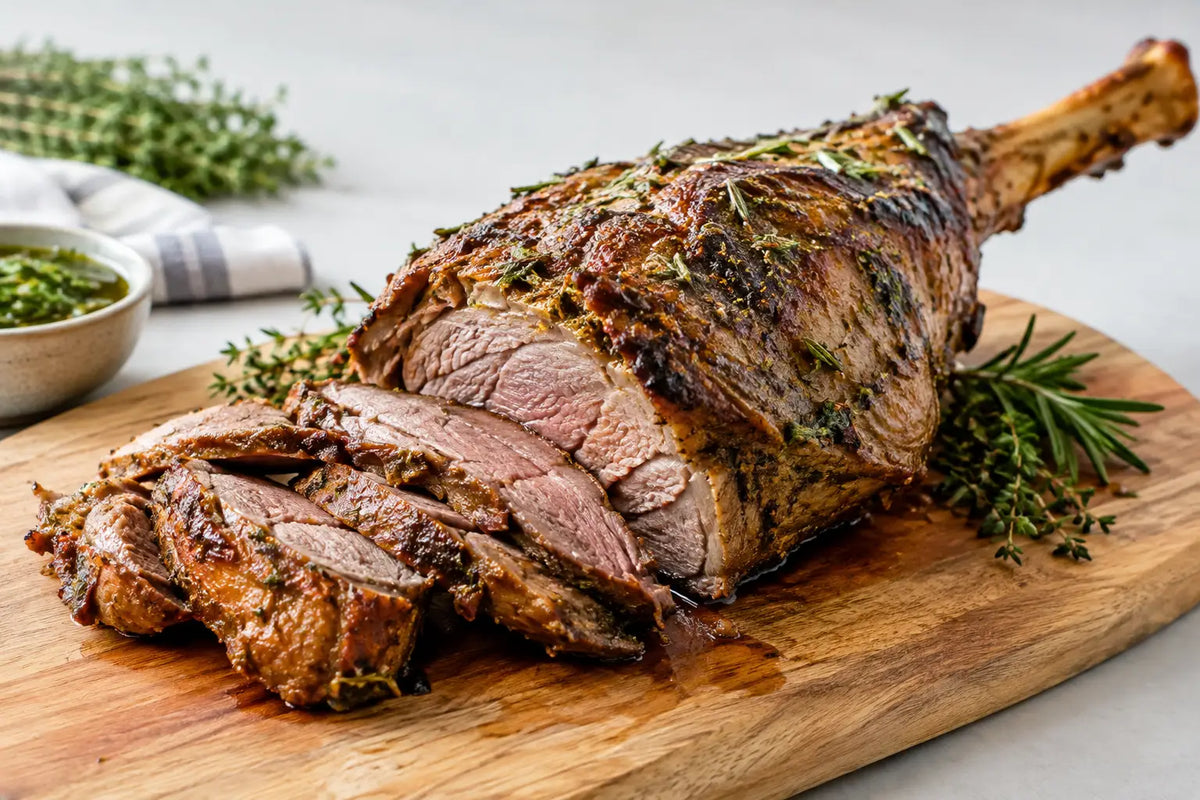
A goat leg deserves more than a hot oven and a hopeful guess. The key to how to roast goat leg is choosing a cooking style that suits the animal, the cut, and the dinner you want to serve: rosy slices from a young, tender leg, or deeply savory, fall-apart meat from a larger, more mature one.
Goat is naturally lean, clean-tasting, and full of character. It does not carry the heavy richness of beef or the soft fat of pork, so a little seasoning, a little added fat, and patient heat go a long way. Treat it well, and you will bring a special-occasion centerpiece to the table without making it fussy.
Start with the right goat leg
A bone-in goat leg is an excellent roasting cut. The bone adds flavor and helps the meat cook more evenly, while the leg gives you a mix of tenderer muscles and hardworking sections that benefit from careful roasting. Plan on about 1/2 to 3/4 pound per person for a bone-in leg, depending on side dishes and appetites.
The age of the goat matters. A young goat leg can be roasted similarly to a lamb leg and served in slices at medium-rare to medium. A larger or more mature goat leg has more developed connective tissue and may be better with a lower, slower, covered roast until it becomes spoon-tender. Neither approach is better. It depends on the cut in your hands and the texture you want.
If your leg arrives frozen, thaw it safely in the refrigerator on a rimmed tray. A large bone-in leg often needs two to three days. Do not rush the process on the counter. Once thawed, unwrap it, pat it dry, and let it sit uncovered in the refrigerator for a few hours or overnight if time allows. A dry surface gives you better browning.
How to roast goat leg with a bold, simple rub
Goat pairs beautifully with garlic, rosemary, thyme, cumin, coriander, black pepper, citrus, and warm chile. You do not need all of them. Pick a direction and let the meat stay at the center of the plate.
For a 4- to 6-pound goat leg, make a paste with olive oil, kosher salt, cracked black pepper, minced garlic, chopped rosemary, ground cumin, smoked paprika, and the zest and juice of a lemon. If you like heat, add crushed red pepper or a spoonful of your favorite chile paste. The oil helps the seasoning cling and protects the lean exterior during roasting.
Use a small knife to make shallow slits across the thickest parts of the leg, then work some of the paste into those openings. Rub the rest over every surface. Seasoning beneath the surface is especially helpful with goat because the leg is substantial and lean.
For the best flavor, refrigerate the seasoned leg for 12 to 24 hours. If you are cooking the same day, give it at least 45 minutes at room temperature before it goes into the oven. That short rest takes the chill off and helps the roast cook more evenly.
Add moisture beneath the roast
Set the goat leg on a rack in a sturdy roasting pan, fat side up if there is a clear fat cap. Pour about 1 cup of water, stock, or a mixture of stock and dry white wine into the bottom of the pan. Add rough-cut onions, carrots, and celery if you want a flavorful base for pan juices.
The liquid should not touch the meat. It is there to prevent drippings from scorching and to create a little gentle moisture in the oven, not to boil the leg. Check the pan during cooking and add another splash of liquid if it dries out.
Roast for slices: the best method for young goat
For a young, tender goat leg, heat the oven to 425°F. Roast the leg uncovered for 20 minutes to develop color, then reduce the temperature to 325°F. Continue roasting until a thermometer inserted into the thickest part of the meat, away from the bone, reaches your preferred doneness.
For food safety, cook whole cuts of goat to at least 145°F, then let them rest. At that point, the center will be medium and still juicy. If your family prefers a more well-done roast, take it closer to 155°F to 160°F. Keep in mind that goat has less intramuscular fat than lamb, so pushing a tender young leg too far can make slices dry.
Timing is only a starting point because goat legs vary in size and age. Expect roughly 20 to 25 minutes per pound at 325°F after the initial high-heat roast, but trust the thermometer over the clock. A 5-pound leg may take around two hours total, while another leg of the same weight can cook differently based on bone shape and starting temperature.
If the outside is browning faster than you like, loosely tent it with foil. Do not wrap it tightly unless you are switching to the slow-roast method. Tight foil traps steam and softens the crust you worked to build.
Slow roast for fork-tender goat
If your goat leg comes from a mature animal, or if you want meat that pulls easily for flatbreads, rice bowls, or tacos, use the low-and-slow route. Heat the oven to 300°F. Season the leg as described above, place it over vegetables and liquid in a roasting pan, and cover the pan tightly with a lid or a double layer of foil.
Cook until the meat is very tender, usually three to five hours depending on the size and maturity of the leg. Rather than aiming for a slicing temperature, cook until the internal temperature is around 190°F to 200°F and a fork turns easily in the thickest sections. The collagen needs time to melt. Pulling it at 160°F may be safe, but it can still be chewy.
For a browned finish, uncover the pan for the final 20 to 30 minutes and raise the oven to 400°F. Spoon some pan juices over the leg before it returns to the oven. This gives you a richer surface without sacrificing the tenderness created by the covered roast.
Rest the leg before carving
Resting is not optional with a large roast. Move the goat leg to a cutting board and tent it loosely with foil for 20 to 30 minutes. The juices settle back into the meat, making every slice noticeably better.
While it rests, skim excess fat from the roasting pan if needed. Set the pan over medium heat, stir in a splash of stock, water, or lemon juice, and scrape up the browned bits. Taste before adding salt. Strain the sauce for a cleaner finish, or leave the softened vegetables in for a more rustic presentation.
Carve across the grain
Find the direction the muscle fibers are running and slice across them, not alongside them. This shortens the fibers and makes goat easier to chew. Start by removing the larger muscles from the bone, then slice each piece thinly on a slight angle. Save the bone and any leftovers for a pot of beans, broth, or a deeply flavorful stew.
Serve sliced goat leg with roasted potatoes, rice and beans, couscous, grilled vegetables, flatbread, or a sharp herb salad. A bright finish is especially welcome: lemon wedges, mint sauce, chimichurri, or a spoonful of yogurt with garlic and herbs all balance the roast beautifully.
A well-roasted goat leg is generous food. It fills the kitchen with garlic and herbs, gives everybody a reason to gather close, and proves that specialty meat does not need complicated cooking. Start with honestly raised goat, use a thermometer, give it the time it asks for, and enjoy the kind of meal that earns a true Satisfied Belly.