
Best Cuts for Beef Stew That Turn Tender
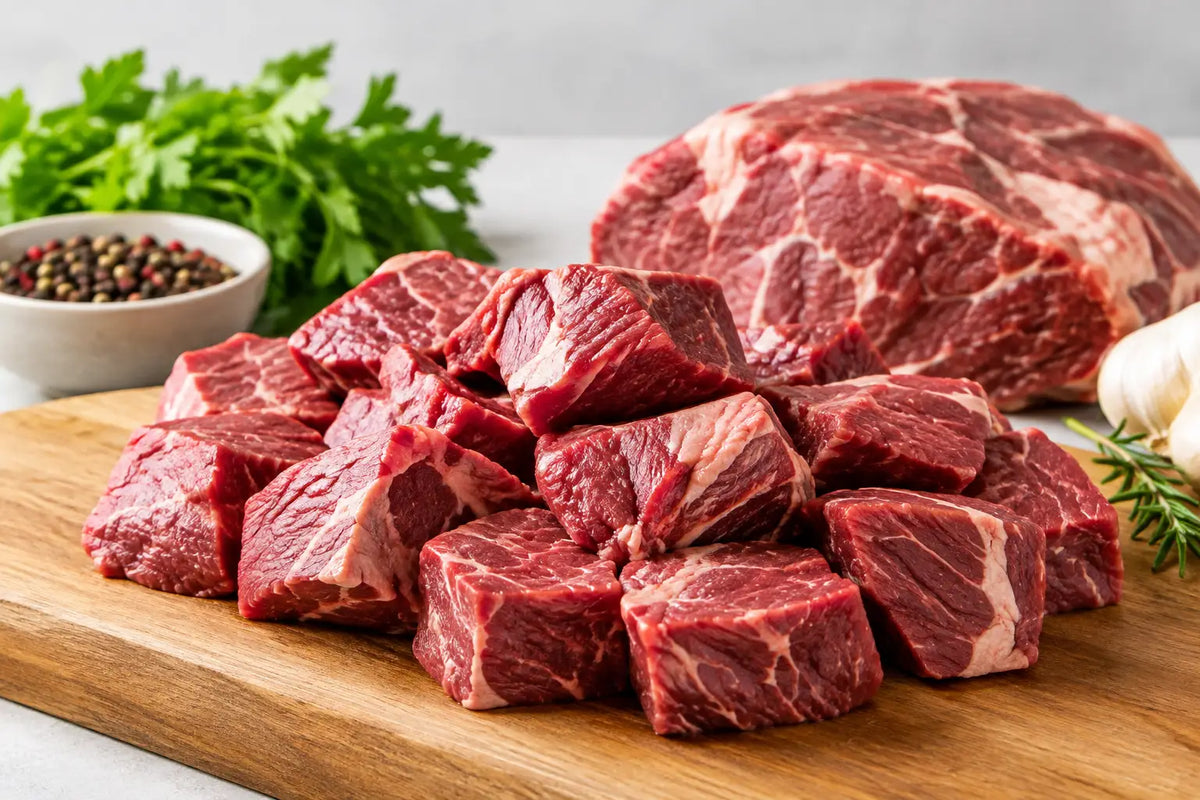
A great stew is not made from the most expensive steak in the case. It is made from beef with enough character to stand up to a long, gentle simmer. The best cuts for beef stew come from hardworking parts of the animal, where connective tissue slowly melts into the broth and gives every spoonful that deep, satisfying body.
That is good news for family cooks. Stew beef can be full of flavor, budget-friendly, and forgiving when you choose the right cut and cook it patiently. Start with honest, well-raised beef, give it time, and dinner takes care of itself.
Why tougher cuts make better stew
Beef stew needs collagen. Collagen is the connective tissue found in muscles that work hard, especially around the shoulder, legs, chest, and ribs. At first, these cuts can feel firm or chewy. But over low, moist heat, collagen transforms into gelatin.
That gelatin is what makes the cooking liquid feel rich without needing heavy cream or a shortcut packet. It also helps the meat become spoon-tender while still tasting like beef. Tender steak cuts, such as tenderloin or strip steak, do not have much connective tissue to offer. They can turn dry, bland, and expensive after two hours in a Dutch oven.
The right stew meat should have visible marbling, some connective tissue, and a good amount of lean meat. You are looking for flavor that improves with time, not a cut that needs to be protected from it.
The best cuts for beef stew
Chuck roast: the dependable first choice
Beef chuck is the classic answer for a reason. Cut from the shoulder, chuck has strong beef flavor, enough fat to stay juicy, and plenty of collagen for a velvety broth. A boneless chuck roast cut into 1 1/2- to 2-inch pieces gives you hearty cubes that hold together through a long simmer.
Chuck is especially good for traditional beef stew with potatoes, carrots, onions, and peas. It also works beautifully in beef bourguignon-style recipes, chile colorado, and tomato-based stews. If you are unsure what to buy, start here. A well-trimmed chuck roast gives the most reliable balance of tenderness, richness, and value.
Beef shank: big flavor and a naturally rich broth
Beef shank comes from the leg, so it works hard and carries a serious amount of collagen. It needs time, but it rewards patience with deeply flavored, fall-apart meat and a broth that develops real body.
Shank is often sold bone-in, which adds another layer of flavor as the marrow and connective tissue cook. It is an excellent choice when the broth matters as much as the meat. Think cold-weather stews, hearty vegetable soups, and rustic pots served with crusty bread.
Because shank has more connective tissue than chuck, expect a longer cooking time. Keep the heat low and make sure there is enough liquid in the pot. If the meat is still firm, it usually is not ruined - it simply needs more time.
Short ribs: the rich, special-occasion option
Short ribs make a stew feel extra generous. They are well marbled, deeply beefy, and loaded with connective tissue that turns tender during braising. Bone-in short ribs bring an especially full flavor to the pot, while boneless short ribs are easier to portion and serve.
The trade-off is richness. Short ribs produce more fat than chuck or round, so they are ideal when you want a luxurious stew rather than a lighter weeknight meal. You can skim the fat as the stew cooks, or chill the finished stew overnight and lift off the firm fat before reheating. The flavor will be even better the next day.
Brisket: tender slices and bold beef flavor
Brisket is best known for barbecue, but it also belongs in a stew pot. This chest cut has a bold, old-fashioned beef flavor and enough connective tissue to become tender with slow cooking. Choose the flat for neater pieces, or use the point when you want more marbling and a richer result.
Brisket does not always break into perfectly uniform cubes like chuck. Instead, it may become tender in larger, hearty pieces or soft slices. That makes it a fine choice for a stew served over mashed potatoes, buttered noodles, or rice. Cut it against the grain before cooking, and do not rush it.
Round: leaner stew with the right method
Bottom round, top round, and eye of round are leaner cuts from the rear leg. They can make a good stew, particularly for cooks who prefer a less fatty pot, but they need careful handling. Their flavor is clean and beef-forward, yet they have less marbling than chuck.
For round, keep the cubes a little larger and cook them at a quiet simmer rather than a hard boil. Add a small amount of fat through olive oil, beef tallow, bacon, or a richer stock if your recipe needs more body. Round is not the first choice for the most luscious stew, but it can be a smart, economical option when prepared with patience.
What about pre-cut stew meat?
Pre-cut stew meat is convenient, but the label does not always tell you which cut is inside. One package may be mostly chuck, while another may include lean round trimmings from several areas. That does not make it a bad purchase, but it does mean results can vary.
Ask your butcher what the stew cubes are cut from. If you want consistent tenderness, request chuck cut into cubes. If you want a leaner mix, ask for round with a little chuck added for flavor. At BillyDoe Meats, that butcher-first approach matters: you should be able to choose meat for the meal you are cooking, not just accept a mystery label.
How to choose stew beef at the counter
Look for beef that is red and fresh-looking, with creamy white fat and no excessive liquid in the package. A little marbling is your friend. Avoid cubes that are tiny, uneven, or stripped completely lean, since small pieces dry out faster and lean meat has less protection during a long cook.
For most recipes, plan on 1/2 pound of raw beef per adult. Choose 1 1/2- to 2-inch cubes. Smaller pieces can work for a quicker stew, but they are more likely to fall apart before the vegetables are ready. Larger pieces need more time, though they deliver a more substantial bite.
Farm-sourced beef may vary in leanness depending on the animal's diet and the specific cut. Grass-fed beef, for example, is often leaner than conventional grain-finished beef. It still makes wonderful stew, but use gentle heat, watch the liquid level, and avoid overcooking at a rolling boil. A steady, quiet simmer is the goal.
The cooking method matters as much as the cut
Even the best beef cut cannot overcome a rushed pot. Pat the meat dry, season it well, and brown it in batches. Crowding the pan makes the beef steam instead of brown, and those browned bits on the bottom are where much of the stew's flavor begins.
After browning, cook onions or other aromatics in the same pot, then add stock, wine, tomatoes, or water. Return the beef to the pot with enough liquid to come about two-thirds of the way up the meat. Bring it just to a simmer, cover it partially, and cook low and slow.
Most chuck stews take about 2 to 2 1/2 hours on the stovetop or in a 325-degree oven. Shank and some brisket may take longer. Add potatoes and quick-cooking vegetables later so they do not disappear into the broth. When the beef yields easily to a fork, it is ready.
The next time stew is on the menu, choose the cut with the kind of meal you want in mind. Chuck gives you dependable comfort, shank builds a rich broth, short ribs bring extra indulgence, brisket makes a bold centerpiece, and round keeps things leaner. Give good beef low heat and enough time, and you will have the kind of pot that brings everybody back for one more bowl.